Blogs
Insightful discussions on building better culture
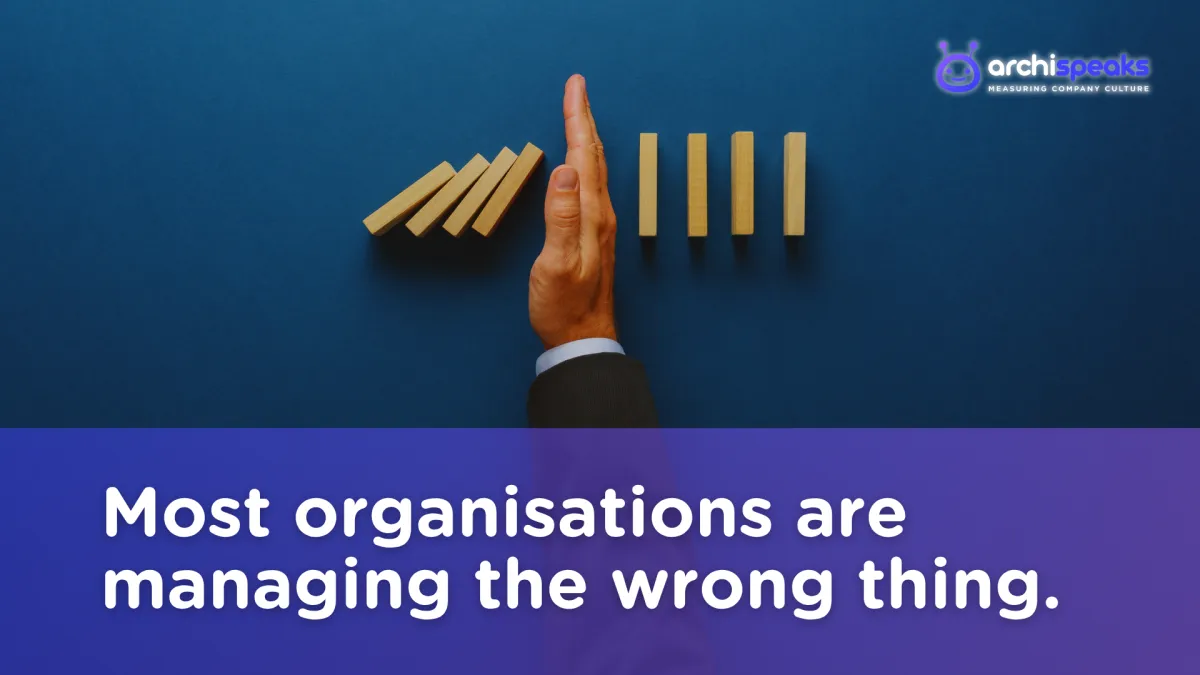
Most organisations are managing the wrong thing.
Most organisations are managing the wrong thing.
They're treating stress, disengagement, conflict and burnout as the problem. Running wellness programs. Offering EAP access. Reviewing rostering.
And still the data doesn't shift.
Here's why. They're managing outcomes. Not sources.
There's a distinction that changes everything once you understand it. The difference between a psychosocial hazard and psychosocial risk.
They're not the same thing. And confusing them is one of the most common and costly mistakes organisations make under the current WHS framework.
A psychosocial hazard is a condition in your workplace that has the potential to cause harm.
It exists in the environment. It's measurable. It's identifiable before harm occurs.
Things like:
Unclear role expectations.
Chronically unrealistic workloads.
Leadership that models poor communication.
Insufficient support during high-demand periods.
Work design that leaves people without autonomy or control.
These are not personality issues. They're not individual resilience failures. They are features of how work is structured, led, and resourced.
Psychosocial risk is what happens when a hazard interacts with human beings over time.
It's the likelihood that the hazard will cause harm, and how severe that harm is likely to become.
An excessive workload is a hazard. When that workload persists week after week without adjustment, creating chronic stress responses, increasing error rates, eroding team trust and driving people out the door, that is psychosocial risk materialising.
The hazard was always there. The risk is what happens when nobody acts on it.
This is exactly what Australian WHS legislation now requires you to address.
Not reactive support. Not survey scores. Not wellness calendars.
Systematic identification of hazards. Genuine risk assessment. Controls that eliminate or minimise the source.
The question regulators are asking is no longer "what did you do after someone burned out?" It's "what did you have in place to prevent it?"
At Archispeaks, this distinction sits at the core of how we work.
Our platform captures real-time employee data and surfaces it into a centralised dashboard that gives leaders visibility of emerging hazards before they become risk events. Not once a year. Not after an incident.
Continuously.
Because you can't manage what you can't see. And you can't prevent what you haven't identified.
If your current approach is built around responding to outcomes rather than identifying sources, the window to change that is narrowing.
Book an Archispeaks demo to see how we can help your organisation to meet compliance requirements while building better culture.